
What are the application scenarios of commonly used medical textiles?
author: SHIJIAZHUANG SENXULN TEXTILE TECHNOLOGY CO., LTD
2022-12-14

What are medical textiles?
Medical textiles are based on textile materials and produced by different processes, which are mainly used in medical clinical diagnosis, treatment, repair, replacement, and human health care and protection. Medical textiles can be roughly divided into four categories according to the scope of use - health care, protective products, therapeutic textiles, surgical implantable textiles and special human organ devices.
Medical textiles are a new field that combines textiles and medicine. Medical textiles are no longer ordinary gauze, bandages and surgical clothes, but high-end medical textiles with new materials and technologies.
Classification of medical textiles:
According to different uses, it can be divided into four categories of products, namely: non implant materials, implant materials, extracorporeal devices (such as artificial kidney), medical and sanitary textiles (such as gauze, doctor's work clothes, patient's clothes, bed sheets, surgical towels, etc.). According to different processing technologies, medical textiles can generally be divided into: ordinary textiles, non-woven fabrics, knitwear, and special fabrics (such as perforated fabrics and other fabrics with good air permeability, which can be used for medical products such as skin patches).
Scope of medical textiles:
The existing medical textiles on the international market include: absorption pads, basic materials of wound contact cloth (for dressing), simple bandages and elastic bandages, high support bandages, compression bandages, plastic bandages, rubber pastes, gauze bandages, cotton flannelette (for special dressing), medical pads and skeleton materials (scaffold, refers to the basic materials for processing other medical textiles), etc. In addition to the traditional bulk raw materials such as cotton, the raw materials for the production of the above medical textiles have been expanded to natural fiber raw materials such as alginate fiber, silk, chitin fiber (chitosan fiber), wood pulp fiber (lyocell), cotton linter, and elastic and non elastic chemical fiber raw materials such as polyethylene, polytetrafluoroethylene (PTFE) fiber, polypropylene, polyester, glass fiber, viscose fiber, polyglycolic acid fiber, polyurethane, polylactic acid fiber.

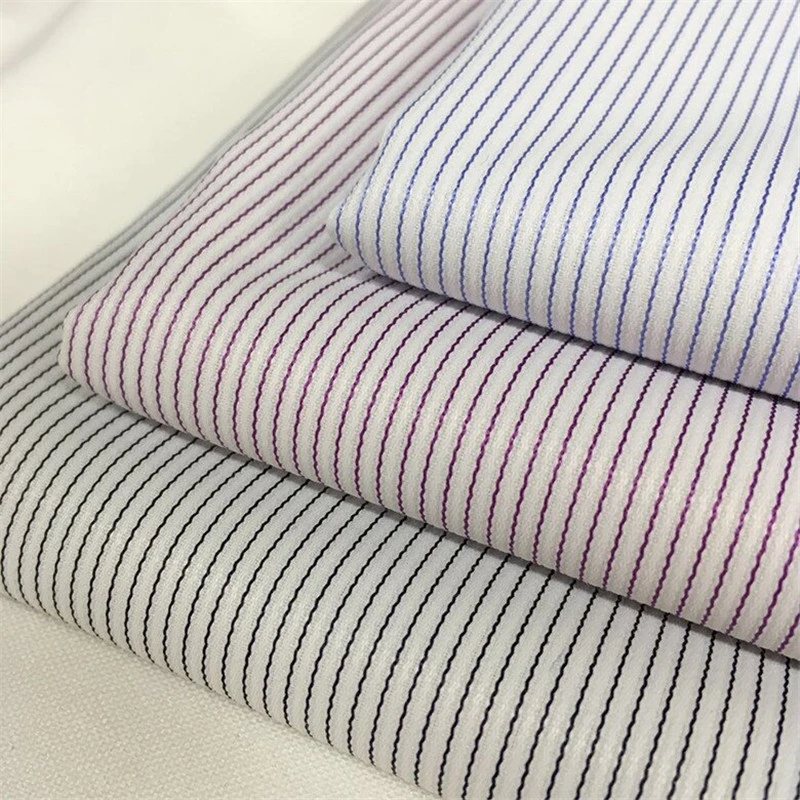


Medical textiles are based on textile materials and produced by different processes, which are mainly used in medical clinical diagnosis, treatment, repair, replacement, and human health care and protection. Medical textiles can be roughly divided into four categories according to the scope of use - health care, protective products, therapeutic textiles, surgical implantable textiles and special human organ devices.
Medical textiles are a new field that combines textiles and medicine. Medical textiles are no longer ordinary gauze, bandages and surgical clothes, but high-end medical textiles with new materials and technologies.
Classification of medical textiles:
According to different uses, it can be divided into four categories of products, namely: non implant materials, implant materials, extracorporeal devices (such as artificial kidney), medical and sanitary textiles (such as gauze, doctor's work clothes, patient's clothes, bed sheets, surgical towels, etc.). According to different processing technologies, medical textiles can generally be divided into: ordinary textiles, non-woven fabrics, knitwear, and special fabrics (such as perforated fabrics and other fabrics with good air permeability, which can be used for medical products such as skin patches).
Scope of medical textiles:
The existing medical textiles on the international market include: absorption pads, basic materials of wound contact cloth (for dressing), simple bandages and elastic bandages, high support bandages, compression bandages, plastic bandages, rubber pastes, gauze bandages, cotton flannelette (for special dressing), medical pads and skeleton materials (scaffold, refers to the basic materials for processing other medical textiles), etc. In addition to the traditional bulk raw materials such as cotton, the raw materials for the production of the above medical textiles have been expanded to natural fiber raw materials such as alginate fiber, silk, chitin fiber (chitosan fiber), wood pulp fiber (lyocell), cotton linter, and elastic and non elastic chemical fiber raw materials such as polyethylene, polytetrafluoroethylene (PTFE) fiber, polypropylene, polyester, glass fiber, viscose fiber, polyglycolic acid fiber, polyurethane, polylactic acid fiber.


 Welcome to Join 2026 Autumn Intertextile Shanghai Apparel and Fabric Fair.
  Welcome to join 2026 Spring Intertextile Shanghai Apparel and Fabric Fair.
  Welcome to join 2025 Spring Intertextile Shanghai Apparel and Fabric Fair.
  Welcome to join 2024 Autumn Shanghai Fabric Exhibition
  Why do fabrics deteriorate? What are the preventive measures?
  Characteristics of Textile Fibers
  Waterless Dyeing And Its Advantages And Disadvantages
  Four-way stretch fabric and its structure and processing method
  Fabric Characteristics and Selection Guidelines
  What is organic cotton? What is the difference between organic cotton and ordinary cotton?
  Yarn-dyed fabrics and its advantages and disadvantages
  How to distinguish between the front and back of fabrics?
  What is CoolCore fabric? What are the processing methods?
  What is Compact Spinning and its advantages, disadvantages and applications
  What are the new developed fibers?
  Characteristics and Storage Methods of Woven Fabrics
  What is single jersey? What are the advantages and disadvantages?
  What is fabric shrinkage? How to calculate shrinkage?
  Intertextile Shanghai Brings Great Success
  What is washed cotton? What are the features of washed cotton?