Characteristics of Textile Fibers
- Abrasion Resistance
Abrasion resistance is the ability to resist friction from wearing, which helps to increase the durability of fabrics. Garments made from fibers with high breaking strength and good abrasion resistance can be worn for a long time and will not show signs of wear and tear until a long time later.
- Moisture Absorption
Moisture absorption is the ability to absorb moisture, which is usually expressed as moisture regain. The moisture absorption of a fiber is the percentage of moisture absorbed by the dry fiber in air under standard conditions of 70℉ (equivalent to 21℃) and 65% relative humidity.
- Chemical Action
During textile processing (such as printing and dyeing, finishing) and home/professional care or cleaning (such as using soap, bleaching powder and dry cleaning solvents), fibers generally come into contact with chemicals. It is important to understand the effect of chemicals on different fibers because it is directly related to the care required during cleaning.
- Coverage
Coverage is the ability to fill a certain range. Textiles made of coarse or curly fibers have better coverage than those made of fine, straight fibers. The fabrics are warm, feel full, and require fewer fibers to weave.
- Elasticity
Elasticity is the ability to increase in length (elongation) when tension is applied and to return to a rock-like state (recovery) when the force is released. The elongation when a force is applied to a fiber or fabric makes the garment more comfortable and causes less stress on the seams.
- Environmental Conditions
Environmental conditions affect fibers differently. How the fiber and the resulting fabric react to exposure, storage, etc. is very important.
- Flammability
Flammability is the ability of an object to ignite or burn. This is an important property because people live in a world of textiles. We know that clothing or furniture can cause serious harm to consumers and cause significant material damage due to their flammability.
- Softness
Softness is the ability of a fiber to bend repeatedly without breaking. Soft fibers such as acetate fibers can be made into fabrics and garments with good drape. Rigid fibers such as glass fibers cannot be used to make garments, but can be used in relatively stiff fabrics for decoration. Generally, the finer the fiber, the better the drape. Softness also affects the feel of the fabric.
- Handle
Handle is the feeling of touching a fiber, yarn or fabric. The feel of a fiber is affected by its shape, surface characteristics and structure. Fibers can have different shapes, such as round, flat, multi-lobed, etc. Fiber surfaces can also vary, such as smooth, serrated or scaly.
- Gloss
Gloss refers to the reflection of light from the fiber surface. Different characteristics of fibers affect their gloss. A shiny surface, fewer bends, a flat cross-sectional shape and longer fiber length can enhance light reflection.
- Pilling
Pilling refers to the entanglement of some short and broken fibers on the surface of the fabric into small balls. When the ends of the fibers break from the surface of the fabric, pilling is formed, usually caused by wearing.
- Rebound Resilience
Rebound resilience refers to the ability of a material to elastically recover after being folded, twisted, and twisted, and is closely related to wrinkle recovery. Fabrics with good rebound resilience are less likely to wrinkle and, therefore, tend to maintain a good appearance.
 Welcome to Join 2026 Autumn Intertextile Shanghai Apparel and Fabric Fair.
 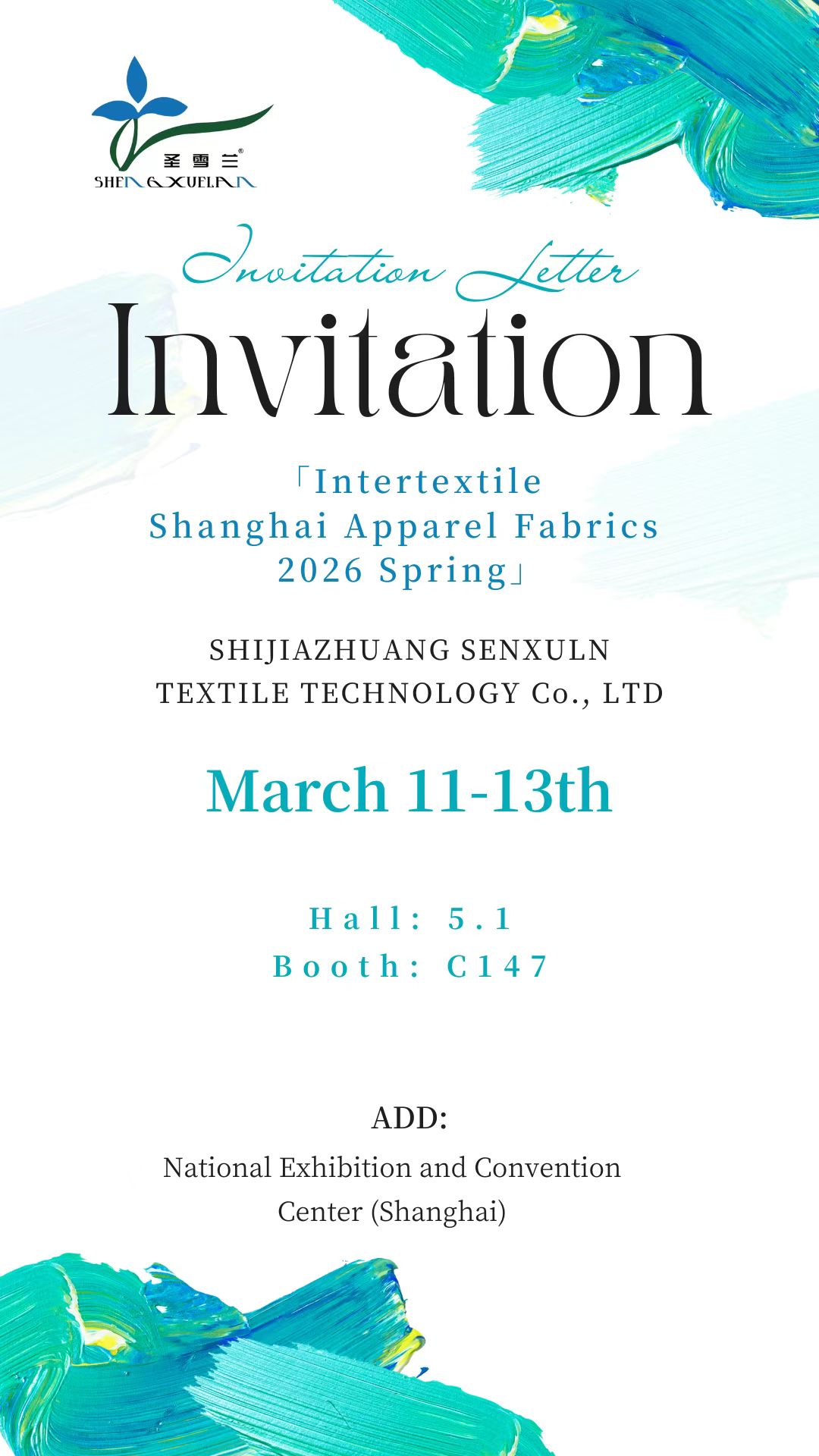 Welcome to join 2026 Spring Intertextile Shanghai Apparel and Fabric Fair.
  Welcome to join 2025 Spring Intertextile Shanghai Apparel and Fabric Fair.
  Welcome to join 2024 Autumn Shanghai Fabric Exhibition
  Why do fabrics deteriorate? What are the preventive measures?
  Waterless Dyeing And Its Advantages And Disadvantages
  Four-way stretch fabric and its structure and processing method
  Fabric Characteristics and Selection Guidelines
  What is organic cotton? What is the difference between organic cotton and ordinary cotton?
  Yarn-dyed fabrics and its advantages and disadvantages
 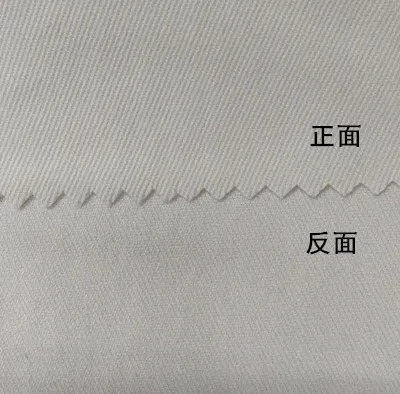 How to distinguish between the front and back of fabrics?
 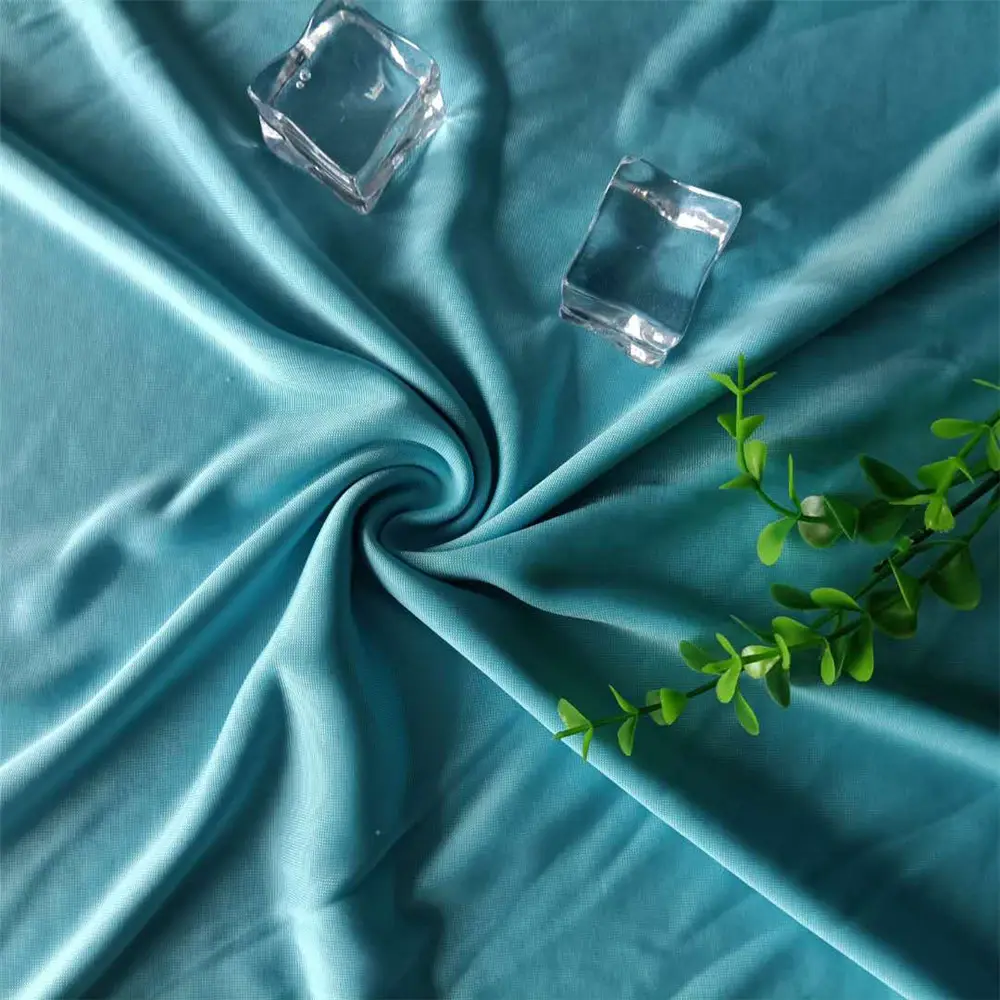 What is CoolCore fabric? What are the processing methods?
  What is Compact Spinning and its advantages, disadvantages and applications
 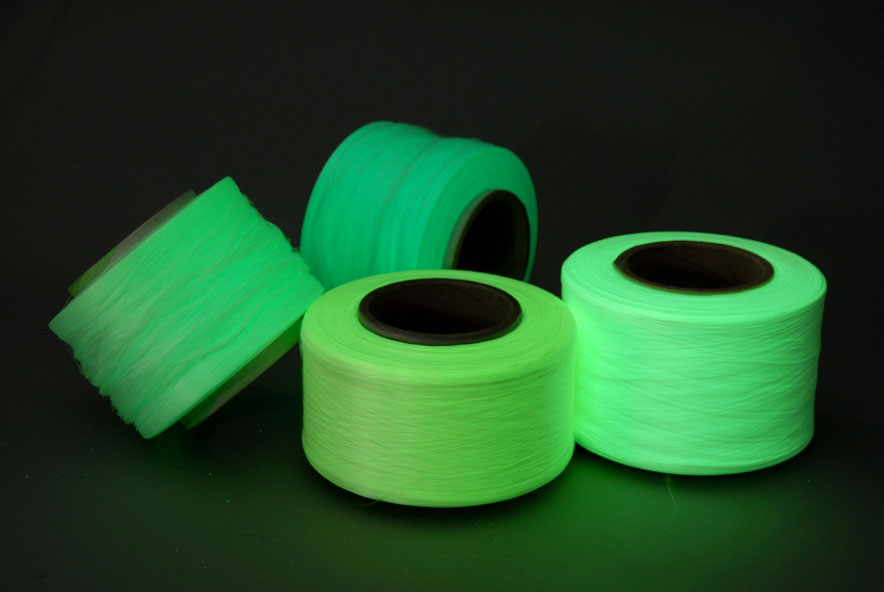 What are the new developed fibers?
  Characteristics and Storage Methods of Woven Fabrics
  What is single jersey? What are the advantages and disadvantages?
  What is fabric shrinkage? How to calculate shrinkage?
  Intertextile Shanghai Brings Great Success
  What is washed cotton? What are the features of washed cotton?
  Welcome to meet Senxuln at 2024 Intertextile Shanghai Apparel Fabrics – Spring Edition!