What is organic cotton? What is the difference between organic cotton and ordinary cotton?
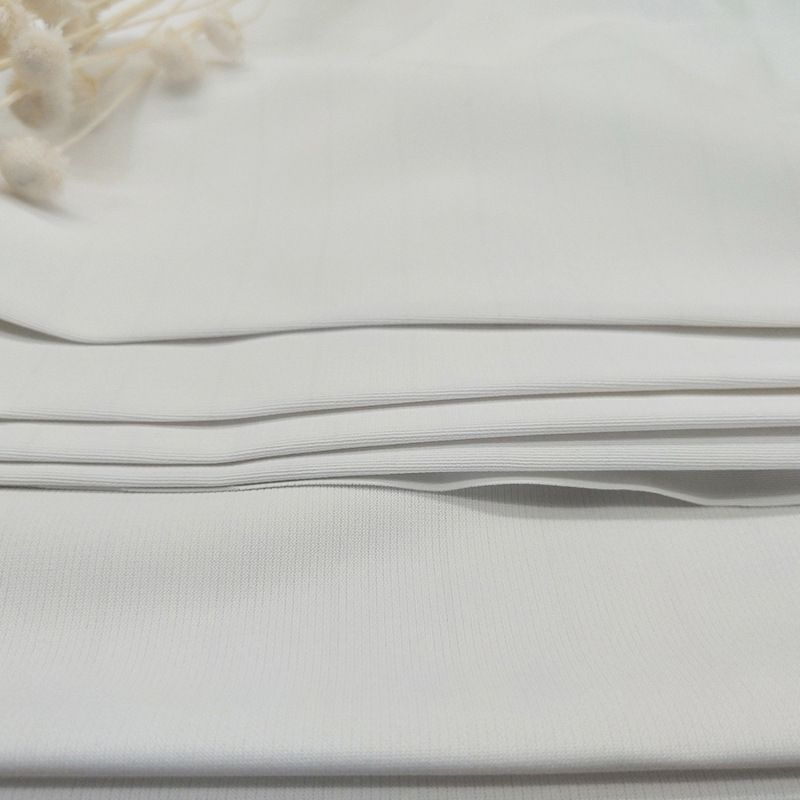
Organic cotton refers to cotton produced in agricultural production, mainly using organic fertilizers, biological control of diseases and pests, and natural cultivation management, without the use of chemical products. It is produced naturally and pollution-free from seeds to agricultural products.
In the production process of organic cotton, it is not only necessary to cultivate cotton with necessary conditions such as light, heat, water, and soil, but also has specific requirements for the cleanliness of farmland soil environment, irrigation water quality, air environment, etc. In the production and spinning process, it is also required to be pollution-free, have ecological, green, and environmentally friendly characteristics.
In today's textile market, both organic cotton and ordinary cotton are popular textile materials. Although they have similarities in many aspects, there are also certain differences.
The difference between organic cotton and ordinary cotton:
1. Production method
Organic cotton adopts an organic planting method without the use of chemical pesticides and fertilizers, and the production and spinning process also requires no pollution. Ordinary cotton is grown using traditional agricultural production methods, which may use chemical pesticides and fertilizers during the production process.
2. Fabric advantages
Organic cotton clothing has excellent breathability, quick sweat absorption, non stick, and does not generate static electricity. It has natural and pollution-free characteristics and does not contain toxic and harmful substances. Even sensitive skin can be used with confidence.
Ordinary cotton clothing has good moisture absorption, moisturizing, heat resistance, alkali resistance, and hygiene. It is non irritating when in contact with the skin, and long-term wear is beneficial and harmless to the human body. Moreover, wearing ordinary cotton fabric clothing makes people feel warm.
3. Environmental friendliness
The production process of organic cotton has minimal environmental impact and does not pollute soil and groundwater sources; Although ordinary cotton does not use a large amount of chemical pesticides and fertilizers, it still pollutes the soil and groundwater sources to a certain extent.
4. Price difference
Organic cotton prices are relatively high, while ordinary cotton prices are relatively low.
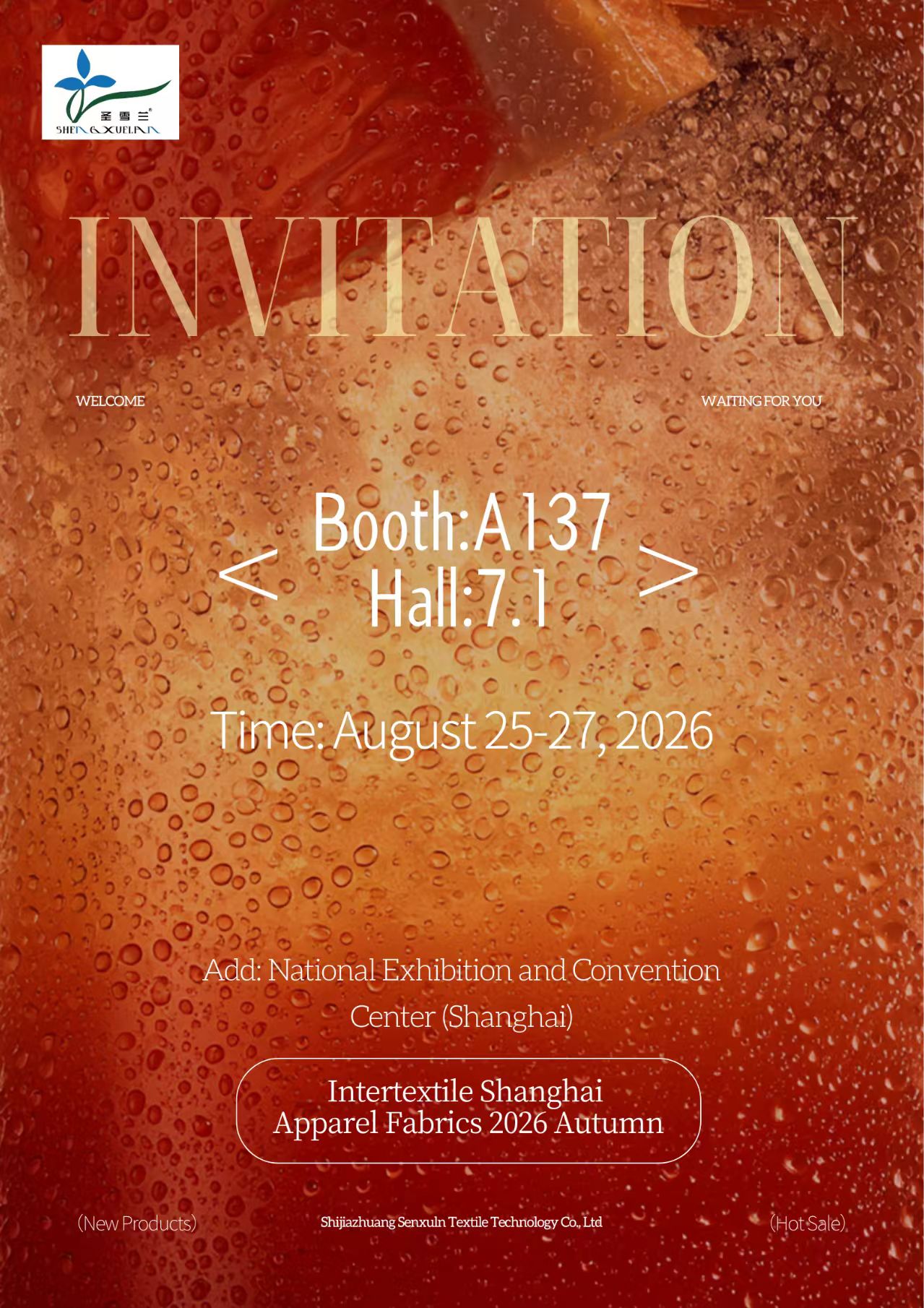 Welcome to Join 2026 Autumn Intertextile Shanghai Apparel and Fabric Fair.
 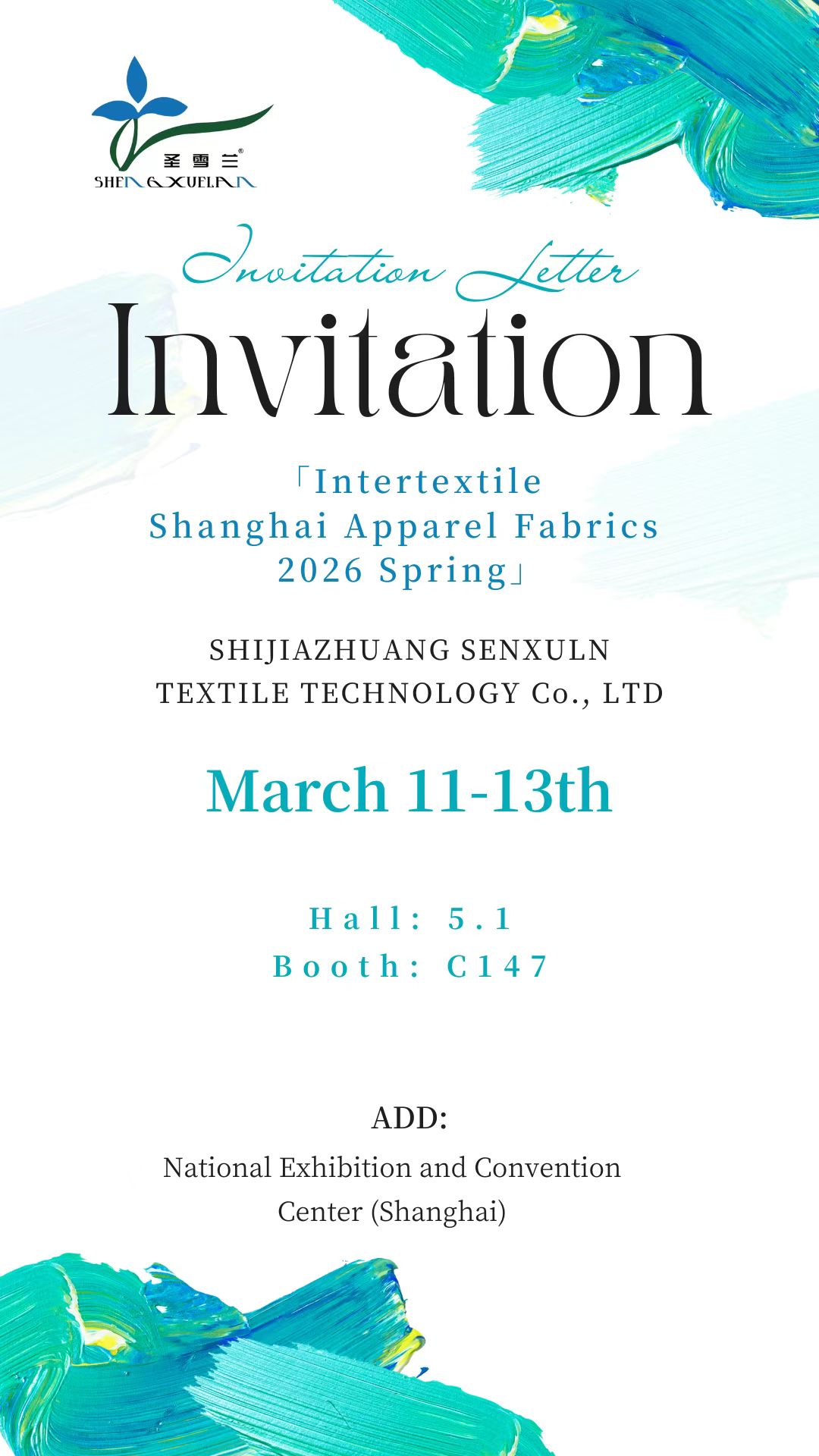 Welcome to join 2026 Spring Intertextile Shanghai Apparel and Fabric Fair.
  Welcome to join 2025 Spring Intertextile Shanghai Apparel and Fabric Fair.
 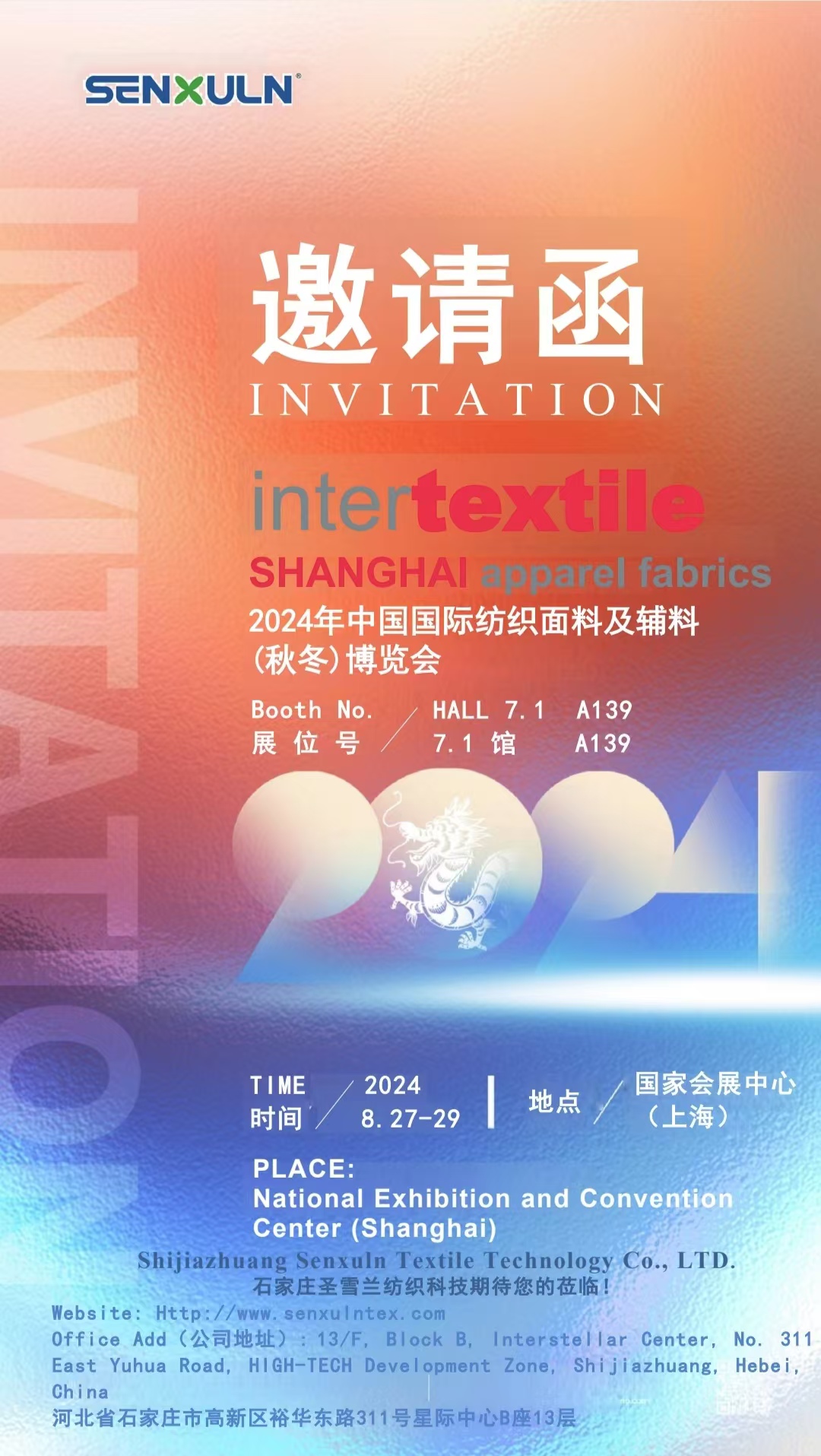 Welcome to join 2024 Autumn Shanghai Fabric Exhibition
  Why do fabrics deteriorate? What are the preventive measures?
  Characteristics of Textile Fibers
  Waterless Dyeing And Its Advantages And Disadvantages
  Four-way stretch fabric and its structure and processing method
  Fabric Characteristics and Selection Guidelines
  Yarn-dyed fabrics and its advantages and disadvantages
  How to distinguish between the front and back of fabrics?
  What is CoolCore fabric? What are the processing methods?
  What is Compact Spinning and its advantages, disadvantages and applications
  What are the new developed fibers?
  Characteristics and Storage Methods of Woven Fabrics
  What is single jersey? What are the advantages and disadvantages?
  What is fabric shrinkage? How to calculate shrinkage?
 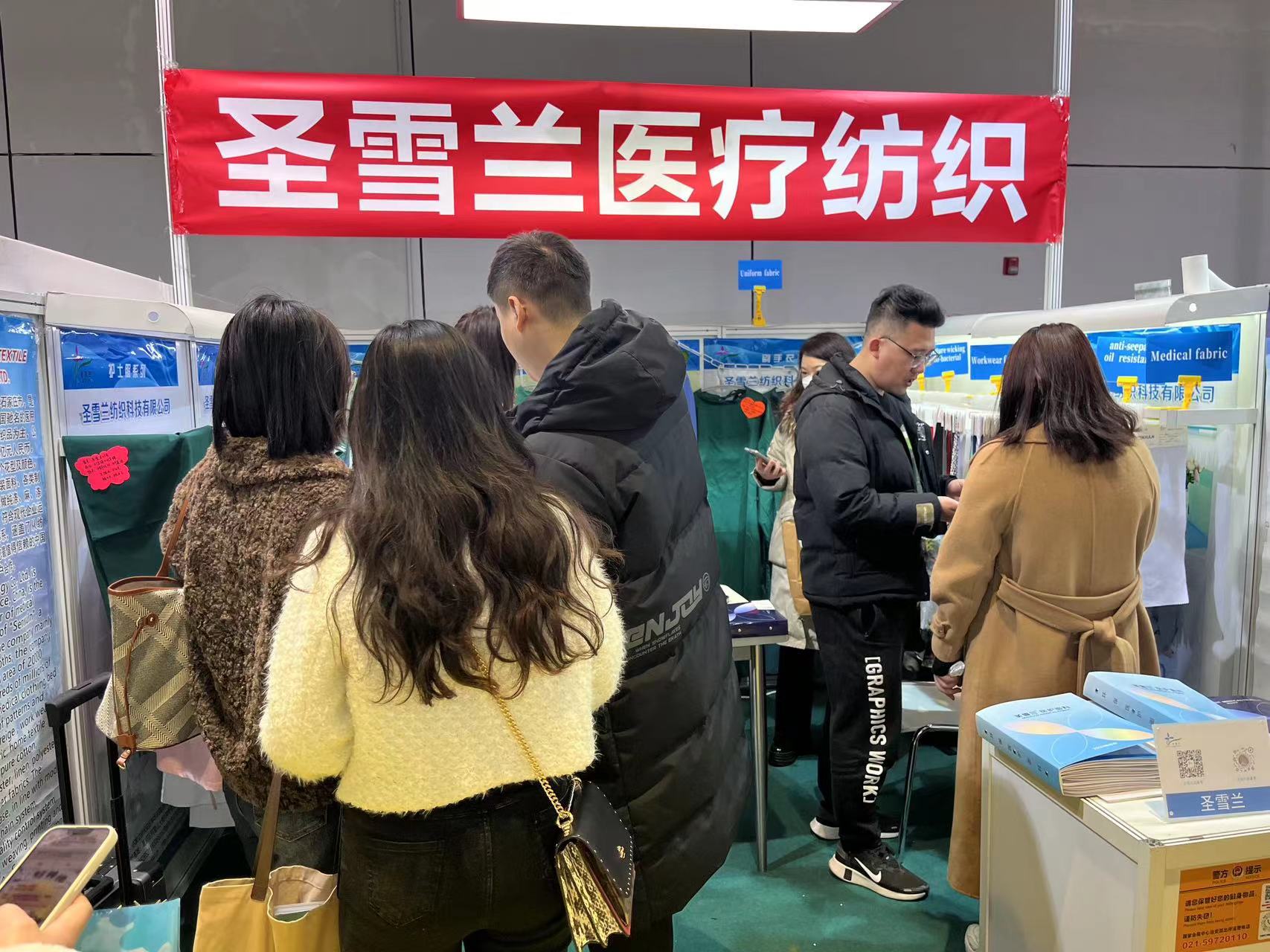 Intertextile Shanghai Brings Great Success
  What is washed cotton? What are the features of washed cotton?
  Welcome to meet Senxuln at 2024 Intertextile Shanghai Apparel Fabrics – Spring Edition!