
Introduction to the common fabrics finishing processes
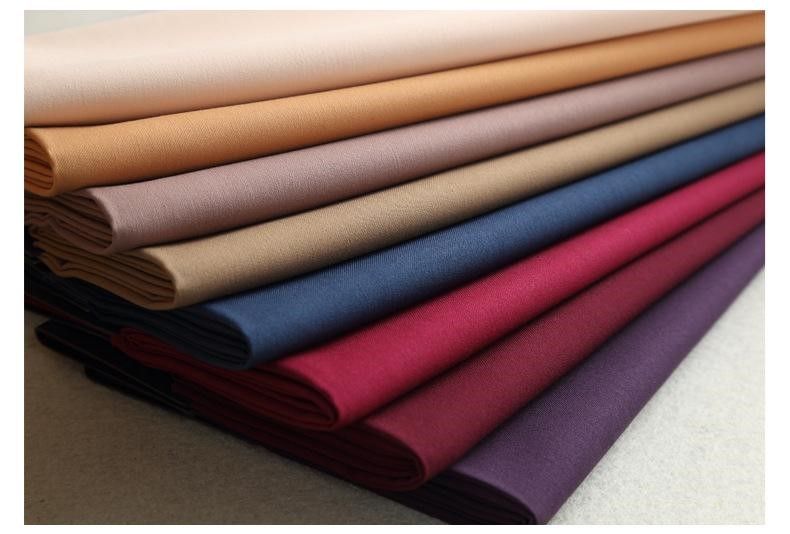
The finishing process of fabrics is the technical treatment that gives the fabrics with color effect, pattern effect and practical effect, etc. The finishing process of fabrics is the process to improve the appearance and feel of the fabrics and to enhance the practical performance.
- Preshrink
Preshrink is the process of reducing the shrinkage of fabrics after immersion in water by physical methods in order to reduce the shrinkage rate. Mechanical preshrink is the fabric first by spraying steam or spraying to wet, and then applied to the warp mechanical extrusion, so that the flexural wave height increases, and then by loose drying.
- Stretch
Stretch is the use of the plasticity of cellulose, silk, wool and other fibres in the wet conditions, the width of the fabric gradually broadened to the required size for drying, so that the fabric form can be stable. It is also known as the fixed-width finishing process.
- Sizing
Sizing refers to the finishing process in which fabrics are dipped in slurry and dried to obtain a thick feel.
- Heat setting
Heat setting is to make thermoplastic fibres and blended or interwoven fabrics in a relatively stable form, mainly used for heat shrinkage and deformation of nylon or polyester and other synthetic fibres and their blended fabrics processing. The heat-setting fabrics can improve the dimensional stability and feel thick.
- Whitening
Whitening is the process to increase the whiteness of textiles by using the complementary color principle of light. There are two kinds of whitening methods: blue and fluorescent whitening.
- Calendering, electroluminescence, and embossing
Calendering is the use of fibre plasticity in hot and humid conditions to flatten the surface of the fabric or roll out parallel fine twill to improve the luster of the fabric. Soft calendering is made up of two soft rollers to form a soft calendering point, after the fabric is ginned and pressed, the yarn is slightly flattened, with a soft lustre and a soft hand.
- Sanding
Sanding is the process of making a layer of short and dense fluff on the surface of fabrics with sanding rollers. Sanding process can make the warp and weft yarns produce fluff at the same time, and the fluff is short and dense.
- Napping
Napping is a process of picking up the fibres on the surface of fabrics with dense needles or pricks to form a layer of fluff. It is mainly used for worsted woolen fabrics, acrylic fabrics and cotton fabrics.
- Shearing
Shearing is the process of cutting off the extra fuzz on the surface of fabrics by shearing machine. Its purpose is to make the fabric weaving pattern clear, smooth surface, or to make the fuzz of fabrics or velvet surface neat.
- Softening
Softening process includes mechanical finishing and chemical finishing two methods. Mechanical soft finishing is achieved by rubbing the fabric many times, but after finishing the soft effect is not ideal. Chemical softening is to apply softener on the fabric to reduce the friction coefficient between the fiber and yarn, so as to obtain a soft and smooth feel, and the finishing effect is remarkable.


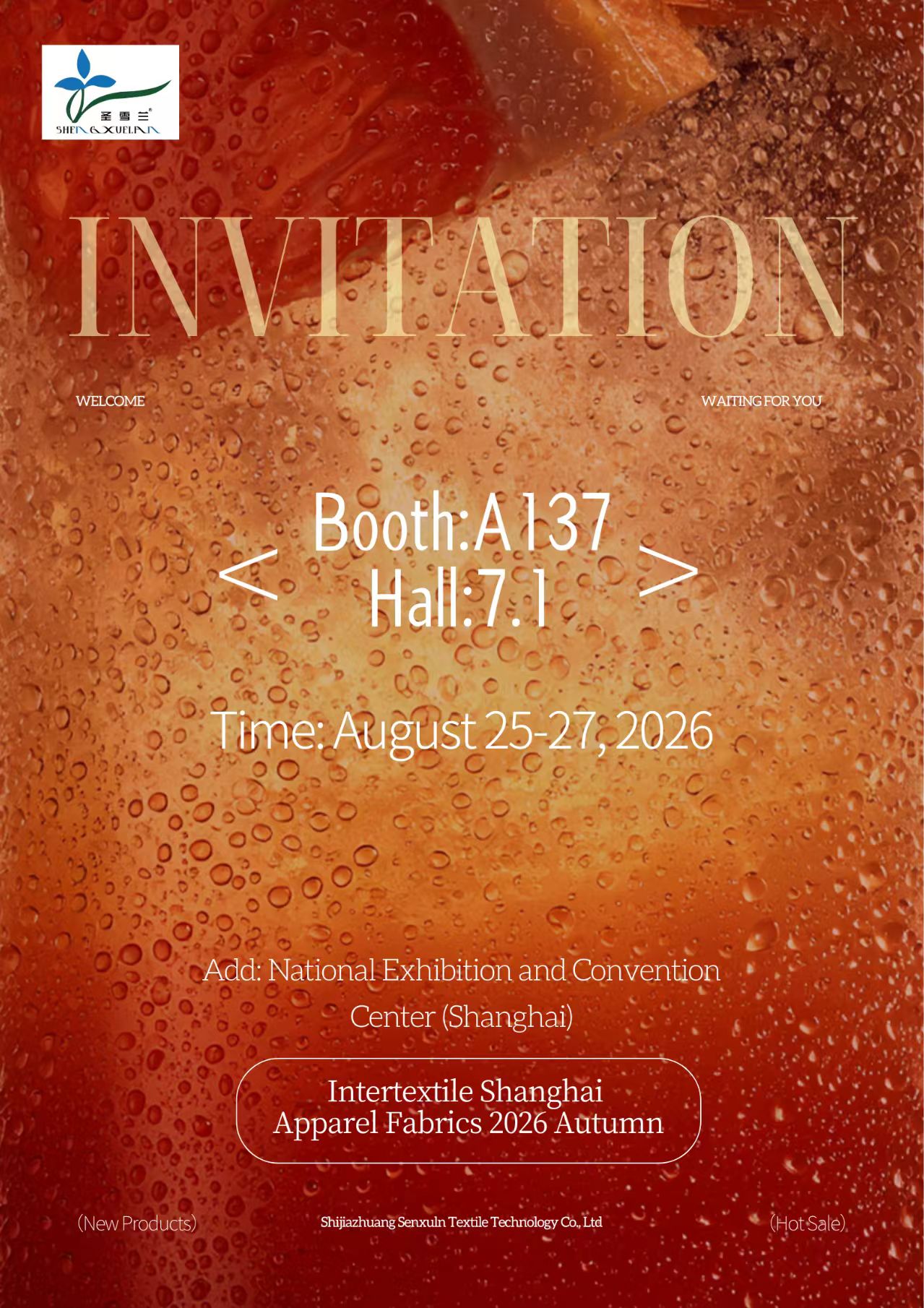 Welcome to Join 2026 Autumn Intertextile Shanghai Apparel and Fabric Fair.
 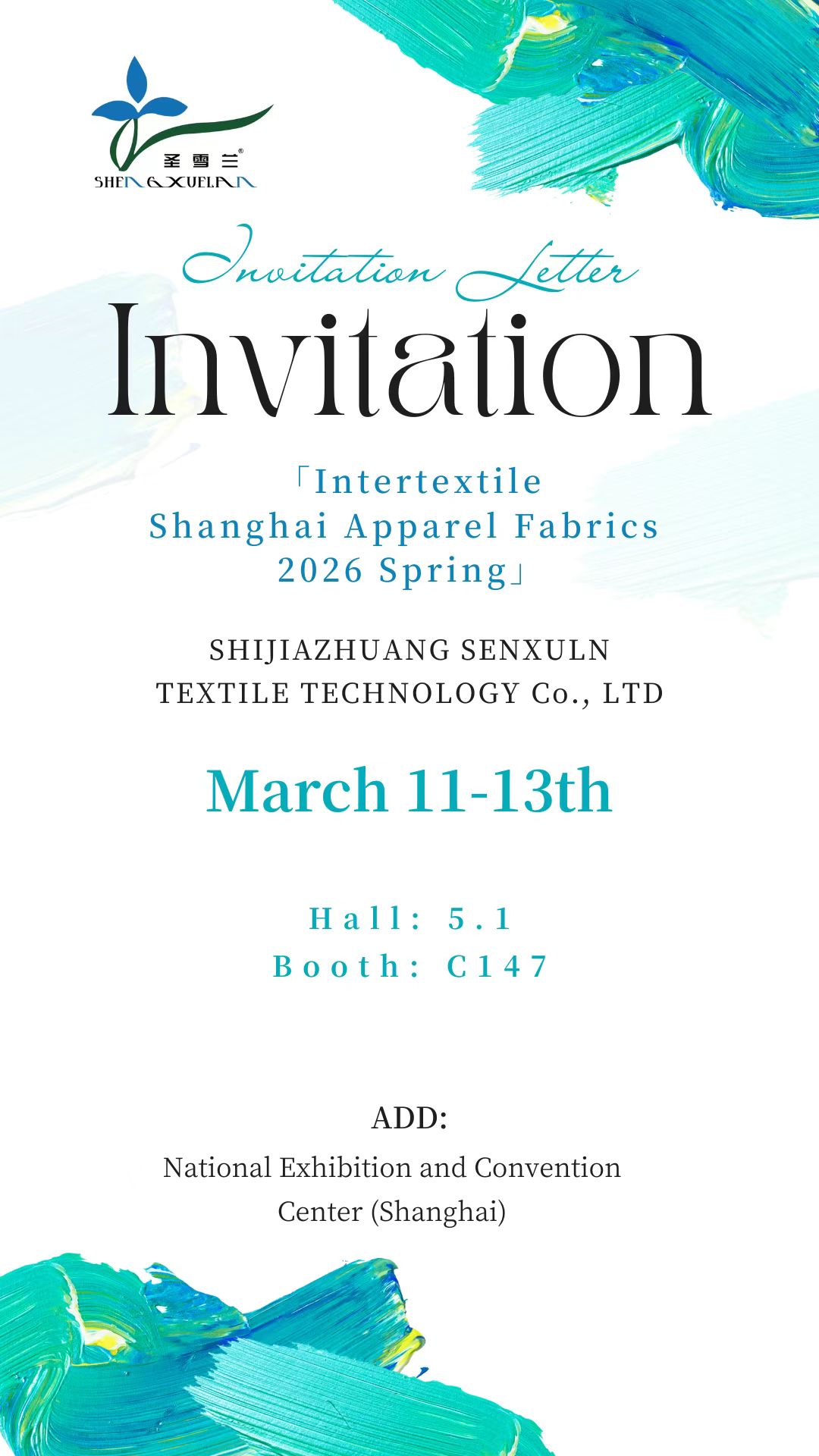 Welcome to join 2026 Spring Intertextile Shanghai Apparel and Fabric Fair.
  Welcome to join 2025 Spring Intertextile Shanghai Apparel and Fabric Fair.
  Welcome to join 2024 Autumn Shanghai Fabric Exhibition
  Why do fabrics deteriorate? What are the preventive measures?
  Characteristics of Textile Fibers
  Waterless Dyeing And Its Advantages And Disadvantages
  Four-way stretch fabric and its structure and processing method
  Fabric Characteristics and Selection Guidelines
  What is organic cotton? What is the difference between organic cotton and ordinary cotton?
  Yarn-dyed fabrics and its advantages and disadvantages
  How to distinguish between the front and back of fabrics?
  What is CoolCore fabric? What are the processing methods?
  What is Compact Spinning and its advantages, disadvantages and applications
  What are the new developed fibers?
  Characteristics and Storage Methods of Woven Fabrics
  What is single jersey? What are the advantages and disadvantages?
  What is fabric shrinkage? How to calculate shrinkage?
  Intertextile Shanghai Brings Great Success
  What is washed cotton? What are the features of washed cotton?