
What is calendering?

Calendering is a process of fabric finishing.
It is a finishing process that uses the physical plasticity of the fiber under high pressure or high temperature to flatten the surface of the fabric or roll out the pattern to increase the luster of the fabric. On the basis of roll surface material, rolling pressure, temperature, different soft, hard roll combined machine threading mode, different calendering effect can be obtained.
Ordinary calendering is mainly to make the cloth flat, to facilitate the deep processing such as coating. Downproof calendering is mainly repeated calendering, making the cloth contraction more dense, and do down jacket fabric. Leather film calendering is mainly to make the cloth surface appear like a film effect, making the fabric more novel. It is used for fabrics printing, that is, carving a flower shape on the roller, leaving a brand on the cloth through high temperature, producing a similar printing effect, mainly used for clothing fabrics and lining. In the actual working process, the main calenders include mirror calender, oil calender and film calender.
Calendering is a finishing process used on fabrics, including medical fabrics, to produce a smoother surface and to reduce permeability.
This process is accomplished by passing the fabric through a series of rollers. These rollers vary in size, hardness, and temperature to achieve the desired finish. The process results in a surface that is smooth and even, making it ideal for medical applications.
Calendering also compresses the fabric to reduce its thickness and increases density, making it more durable.
The final product also has improved crease resistance, reduced shrinkage, and enhanced luster. In the medical industry, calendering is commonly used to produce fabrics that are waterproof, breathable, and durable.
In addition to medical fabrics, calendering is also used for other types of fabrics, like clothing, bedding, and furniture. Overall, calendering is an important process that provides medical fabrics with improved qualities and benefits.
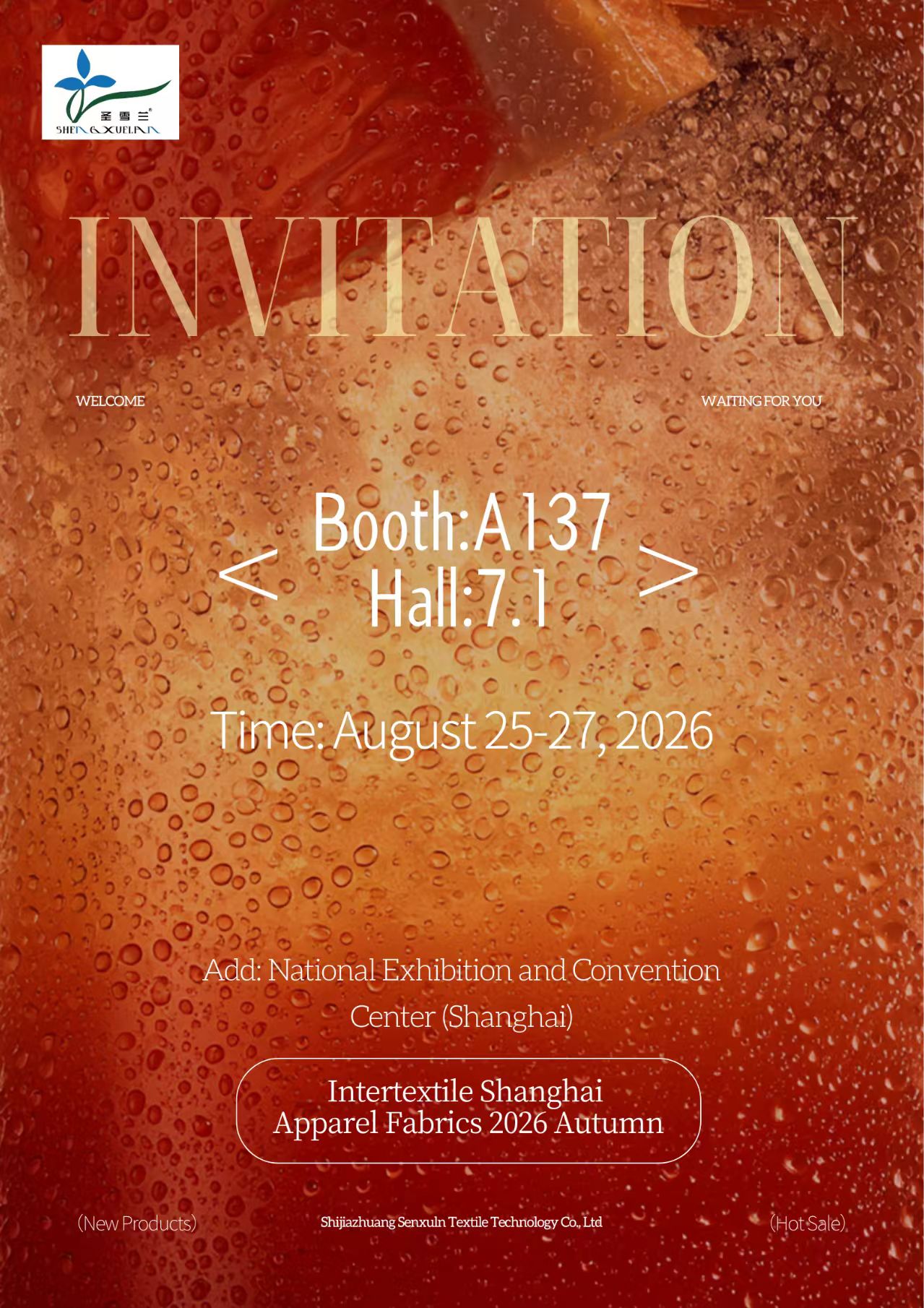 Welcome to Join 2026 Autumn Intertextile Shanghai Apparel and Fabric Fair.
 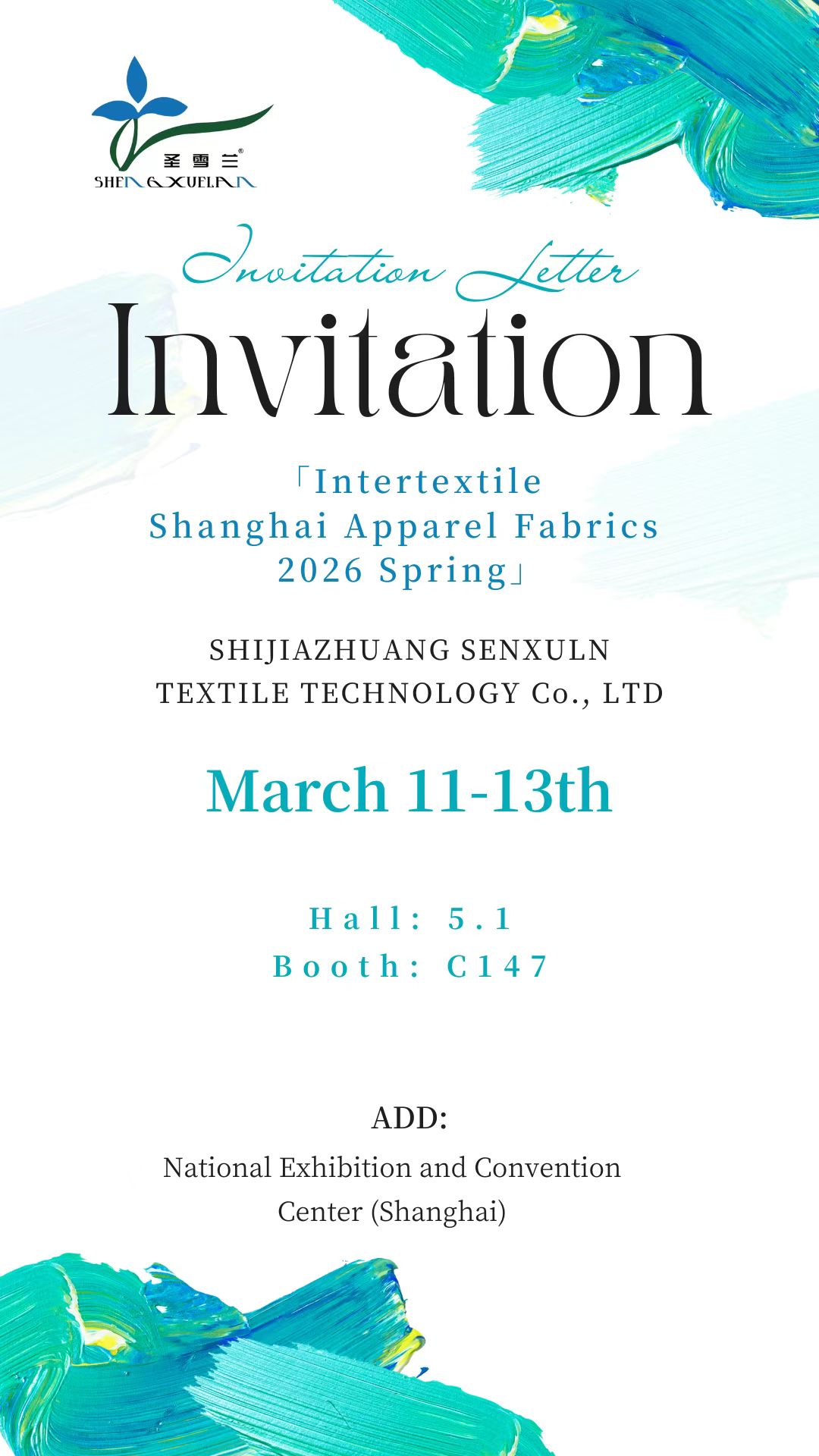 Welcome to join 2026 Spring Intertextile Shanghai Apparel and Fabric Fair.
  Welcome to join 2025 Spring Intertextile Shanghai Apparel and Fabric Fair.
  Welcome to join 2024 Autumn Shanghai Fabric Exhibition
 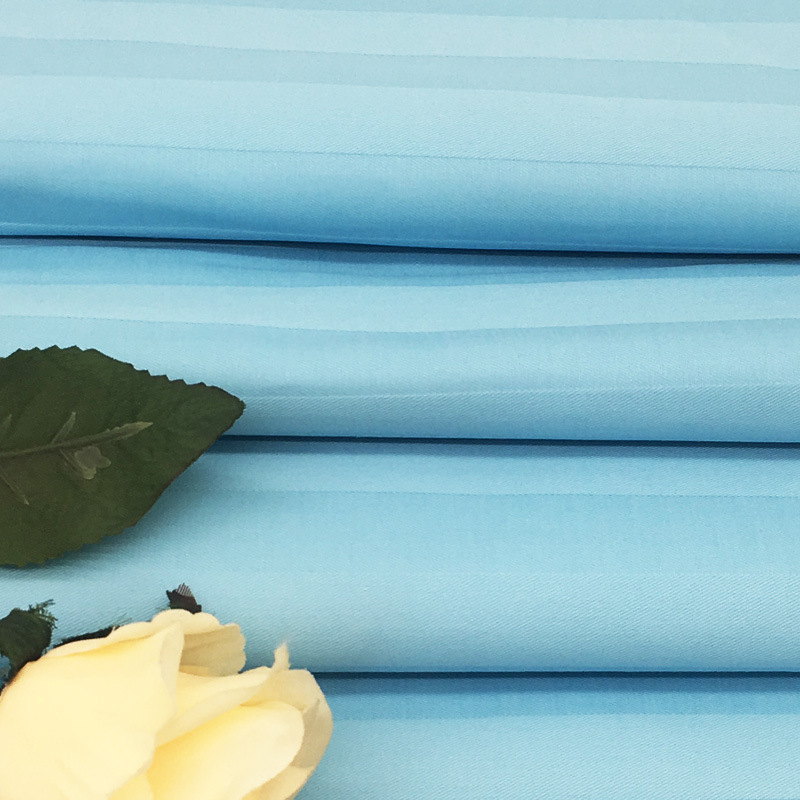 Why do fabrics deteriorate? What are the preventive measures?
 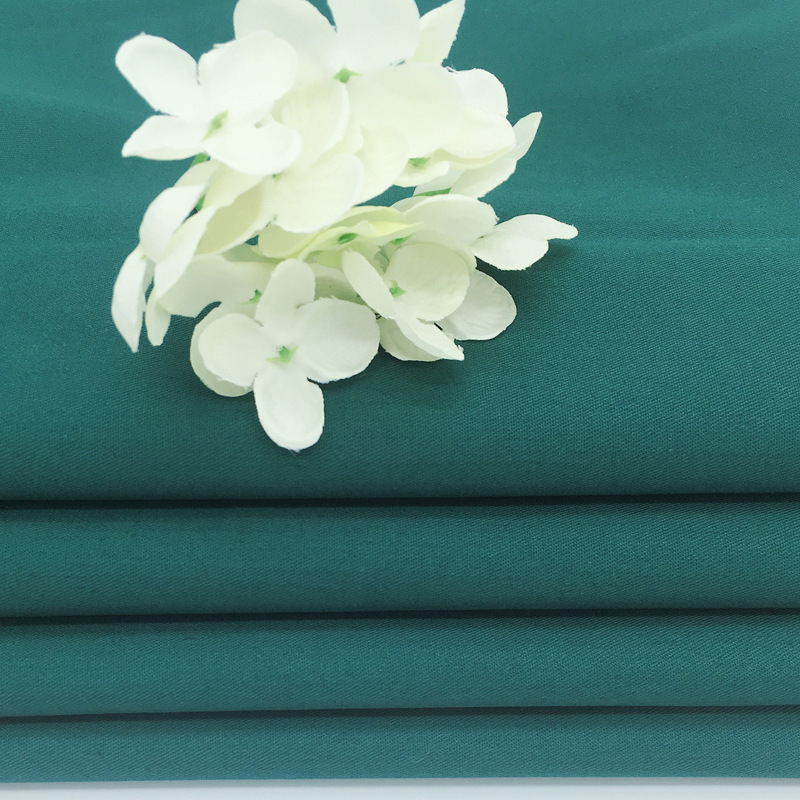 Characteristics of Textile Fibers
  Waterless Dyeing And Its Advantages And Disadvantages
  Four-way stretch fabric and its structure and processing method
  Fabric Characteristics and Selection Guidelines
  What is organic cotton? What is the difference between organic cotton and ordinary cotton?
  Yarn-dyed fabrics and its advantages and disadvantages
 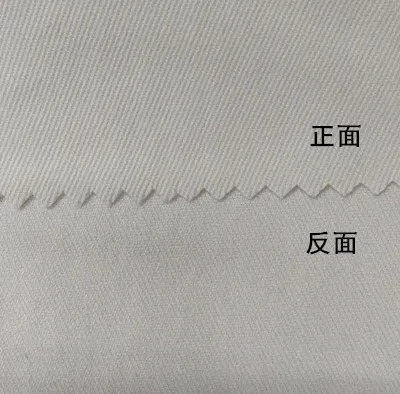 How to distinguish between the front and back of fabrics?
 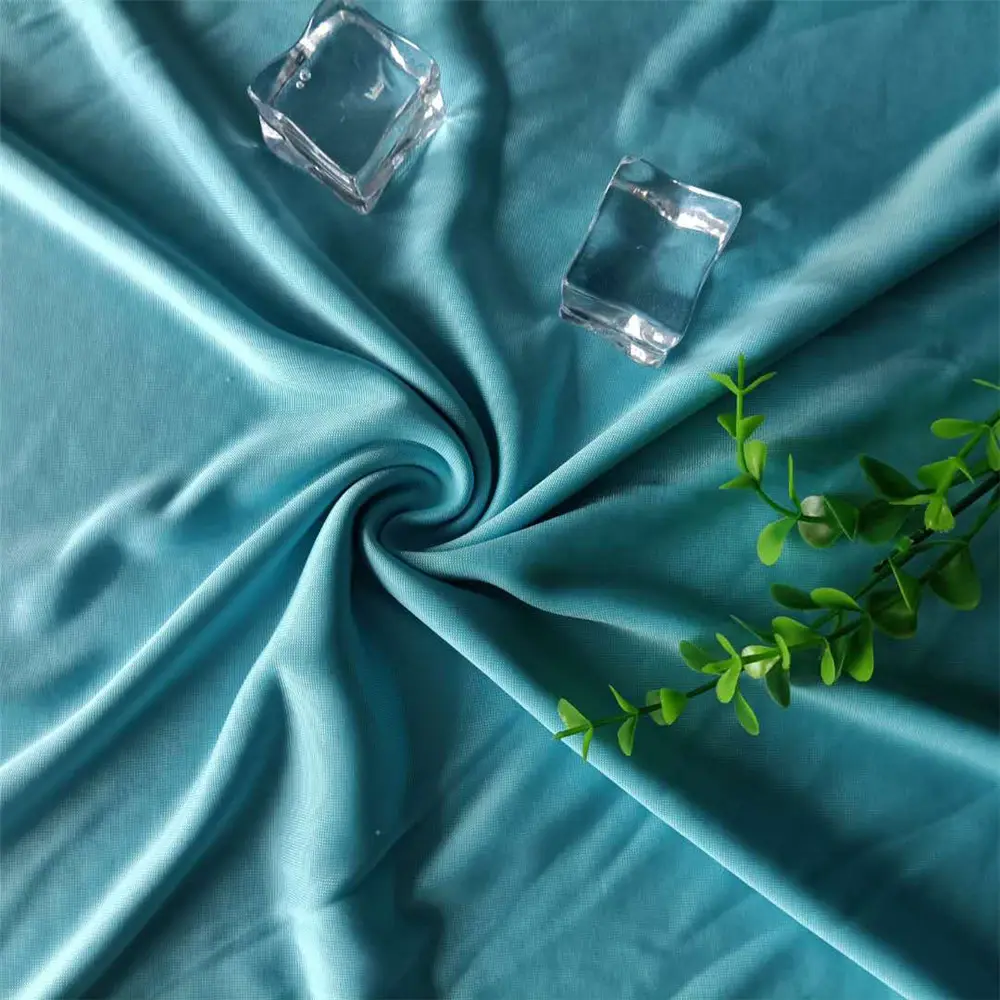 What is CoolCore fabric? What are the processing methods?
 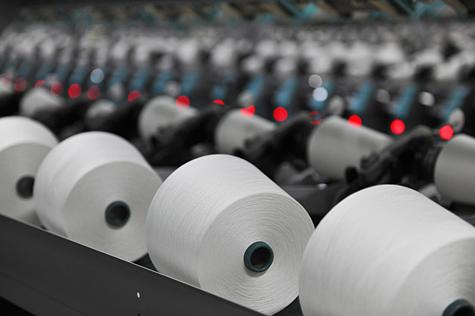 What is Compact Spinning and its advantages, disadvantages and applications
 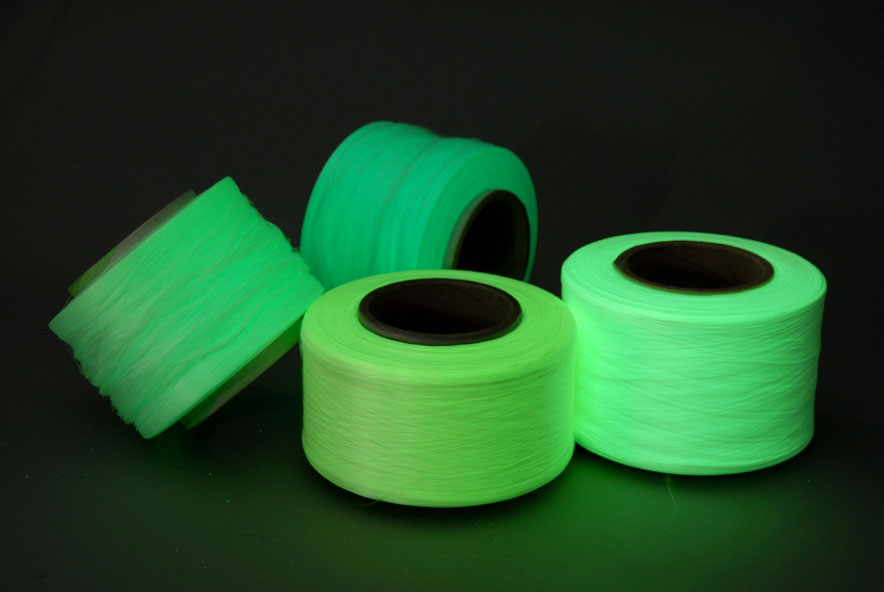 What are the new developed fibers?
 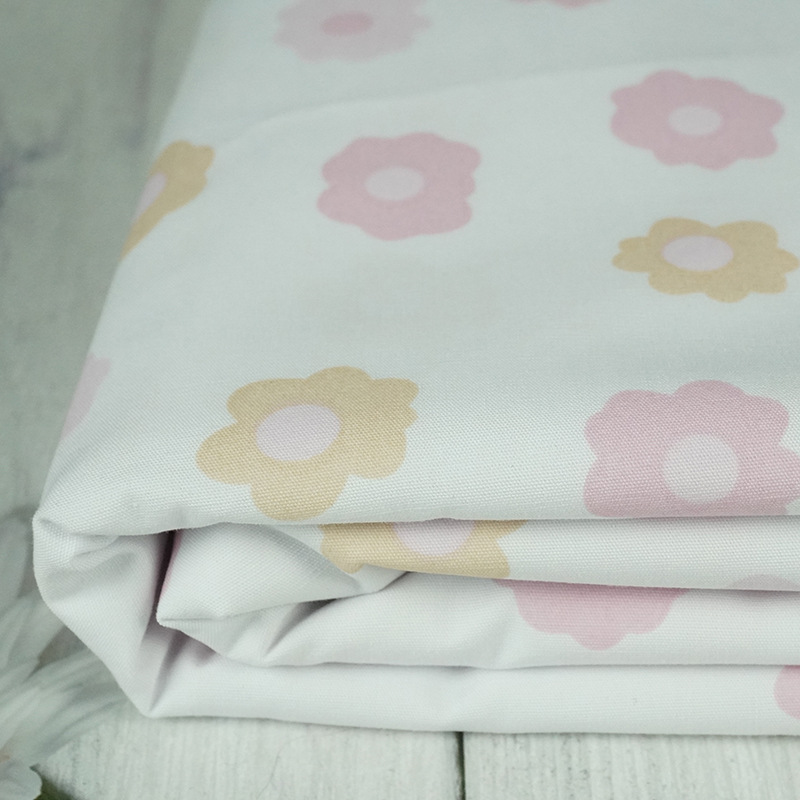 Characteristics and Storage Methods of Woven Fabrics
 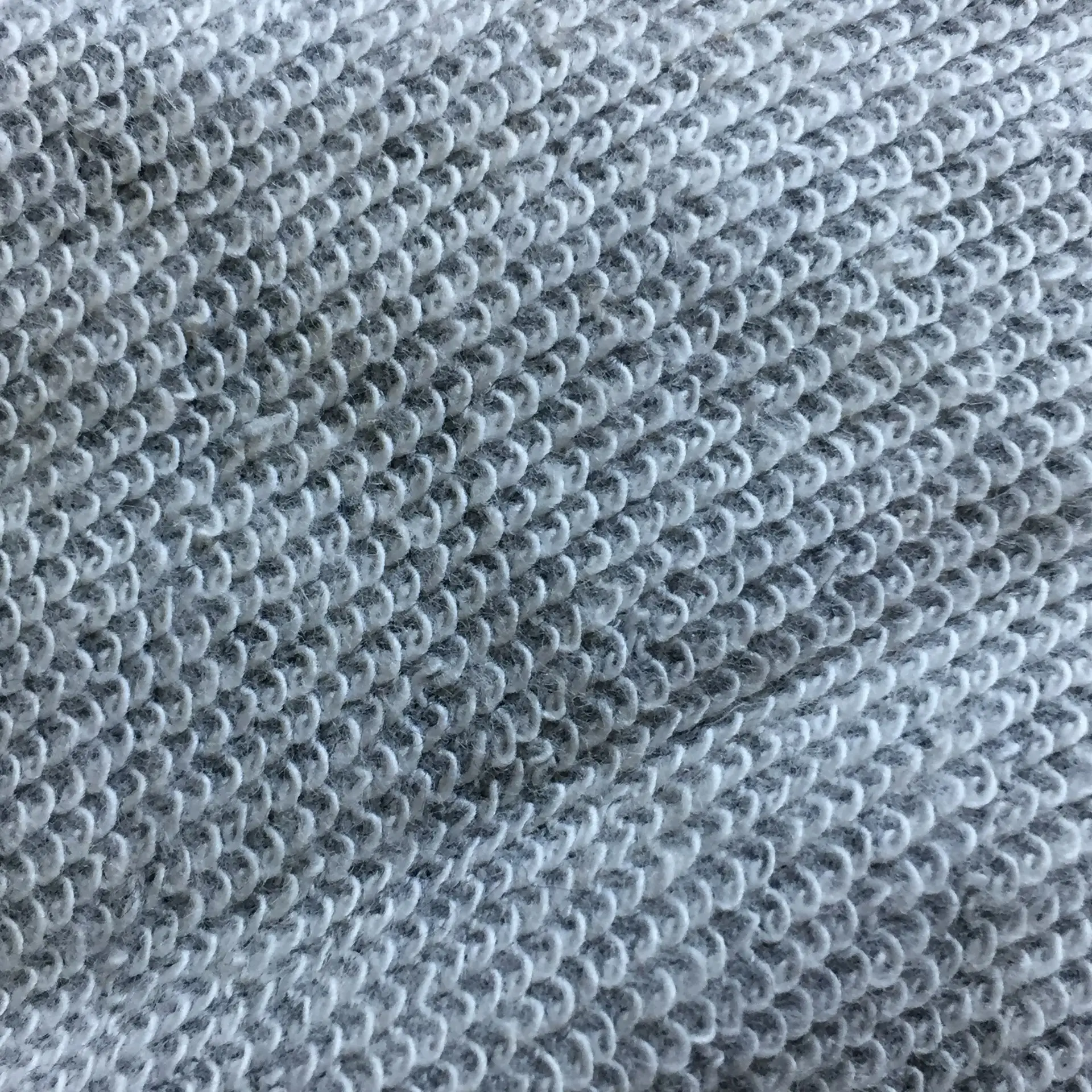 What is single jersey? What are the advantages and disadvantages?
 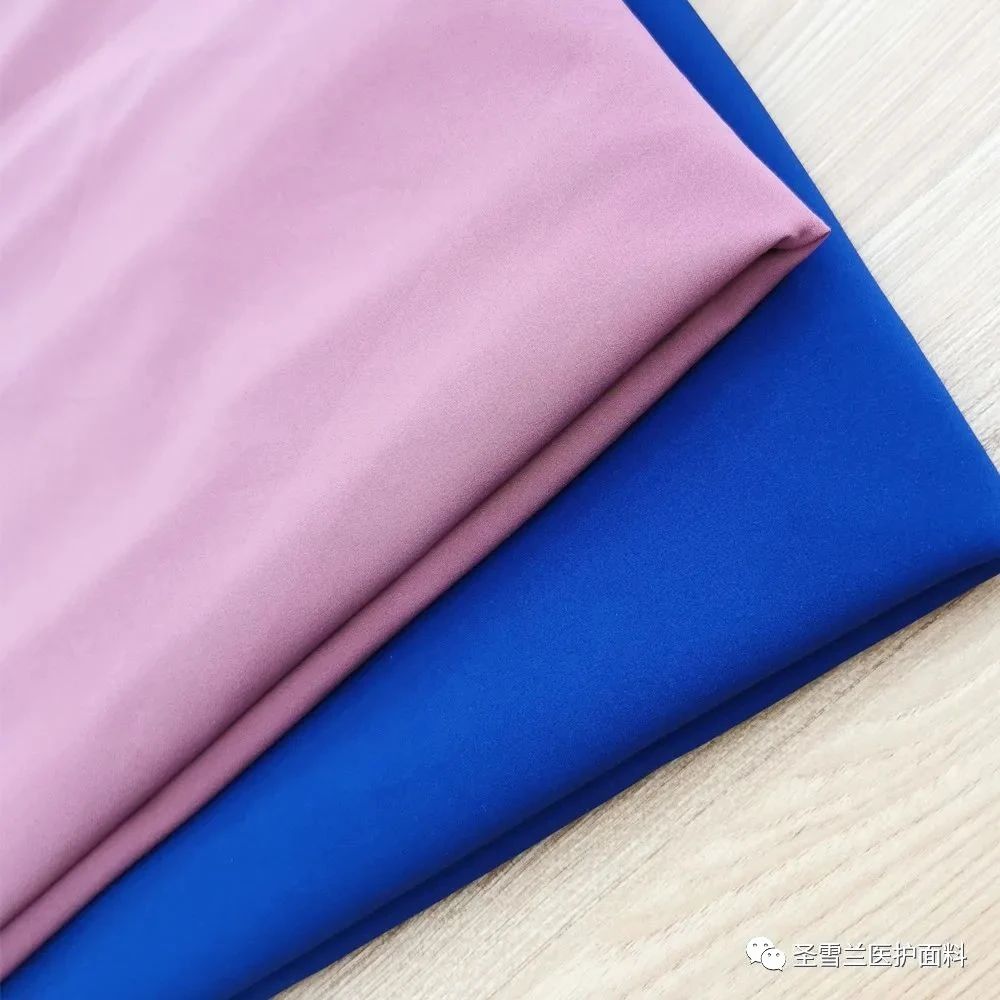 What is fabric shrinkage? How to calculate shrinkage?
 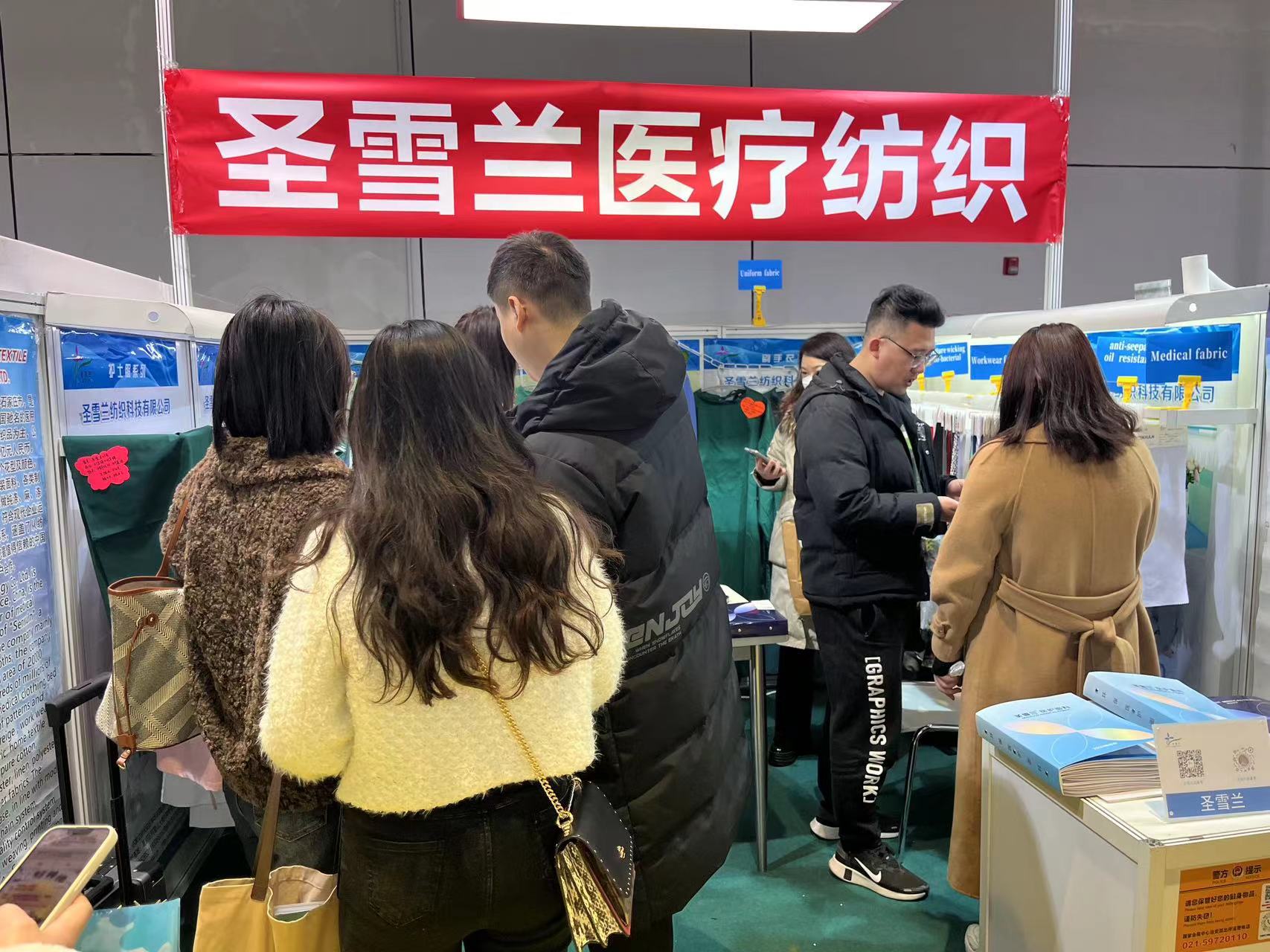 Intertextile Shanghai Brings Great Success
  What is washed cotton? What are the features of washed cotton?