
Test method for Textile fabrics: determination of breaking strength and elongation at break
author: SHIJIAZHUANG SENXULN TEXTILE TECHNOLOGY CO., LTD
2023-03-15
According to the analysis of the testing methods of fabric tearing performance, fabric breakage (tearing) is a common and easy form of damage. Due to the particularity of local stress at the crack, the tear strength of the fabric is far less than its tensile breaking strength. The breaking strength index is the main quality index to measure the anti-damage ability of the fabric under local stress during use. Other mechanical failure forms of fabrics (bursting, abrasion, etc.) also often take the form of tearing as zui final failure. In order to improve the service life of fabrics, it is necessary to study fabric tearing. So today, the small editor of Kezhun Measurement and Control will introduce a method for testing the performance of textile fabrics in detail.
Test method for the performance of textile fabrics (strip method)
1、 Test scope and strip test:
1. Scope: This part is mainly applicable to woven fabrics, but also to fabrics produced by other technologies. It is generally not used for elastic fabrics, geotextiles, glass fiber fabrics, and carbon fiber and polyolefin flat fabric.
2. Tensile test of a kind of fabric with the whole width of the sample held by the holder
2、 Sample principle
For fabric samples of specified size, stretch at a constant elongation rate until breaking. Record the breaking strength and elongation at break. If necessary, record the breaking strength and elongation at break.
3、 Sampling
1. Sample standard:
Cut two sets of samples from each laboratory sample, one is the longitudinal (or longitudinal) sample, and the other is the latitudinal (or transverse) sample. Each group of samples shall include at least 5 samples. If there is a requirement for higher accuracy, the number of samples shall be increased. The specimen shall be at least 150 mm from the edge of the cloth. The longitudinal (or longitudinal) sample group shall not be sampled in the same length, and the longitudinal (or transverse) sample group shall not be sampled in the same length.
Test method for the performance of textile fabrics (strip method)
1、 Test scope and strip test:
1. Scope: This part is mainly applicable to woven fabrics, but also to fabrics produced by other technologies. It is generally not used for elastic fabrics, geotextiles, glass fiber fabrics, and carbon fiber and polyolefin flat fabric.
2. Tensile test of a kind of fabric with the whole width of the sample held by the holder
2、 Sample principle
For fabric samples of specified size, stretch at a constant elongation rate until breaking. Record the breaking strength and elongation at break. If necessary, record the breaking strength and elongation at break.
3、 Sampling
1. Sample standard:
Cut two sets of samples from each laboratory sample, one is the longitudinal (or longitudinal) sample, and the other is the latitudinal (or transverse) sample. Each group of samples shall include at least 5 samples. If there is a requirement for higher accuracy, the number of samples shall be increased. The specimen shall be at least 150 mm from the edge of the cloth. The longitudinal (or longitudinal) sample group shall not be sampled in the same length, and the longitudinal (or transverse) sample group shall not be sampled in the same length.
2. Sample size:
The effective width of each sample shall be 50 mm0,5 mm (excluding burrs), and its length shall meet the spacing length of 200 mm. If the elongation at break of the sample exceeds 75%, the spacing length can be 100 mm. According to the agreement of the parties concerned, the sample can also use other widths, which shall be described in the test report.
The effective width of each sample shall be 50 mm0,5 mm (excluding burrs), and its length shall meet the spacing length of 200 mm. If the elongation at break of the sample exceeds 75%, the spacing length can be 100 mm. According to the agreement of the parties concerned, the sample can also use other widths, which shall be described in the test report.
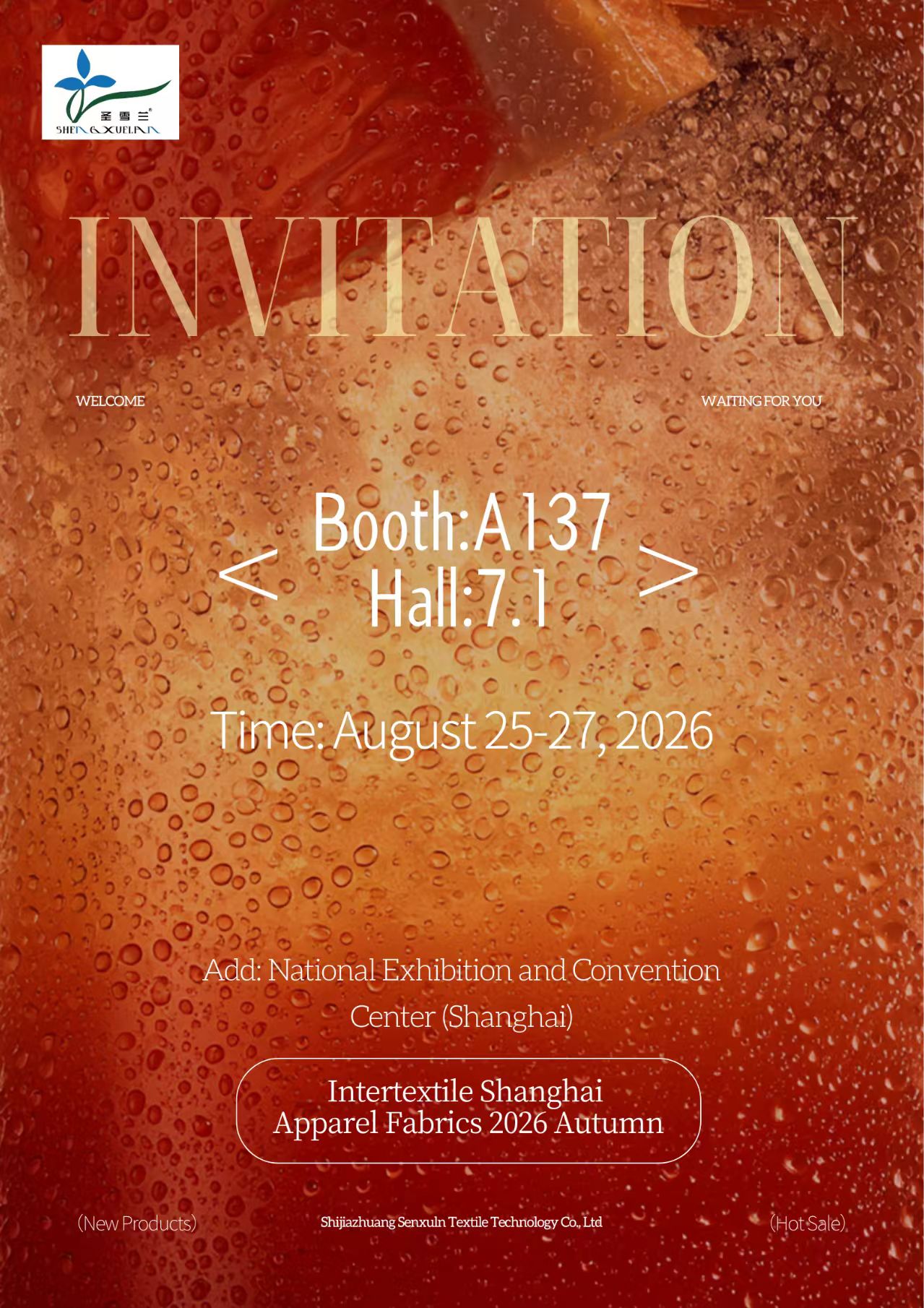 Welcome to Join 2026 Autumn Intertextile Shanghai Apparel and Fabric Fair.
 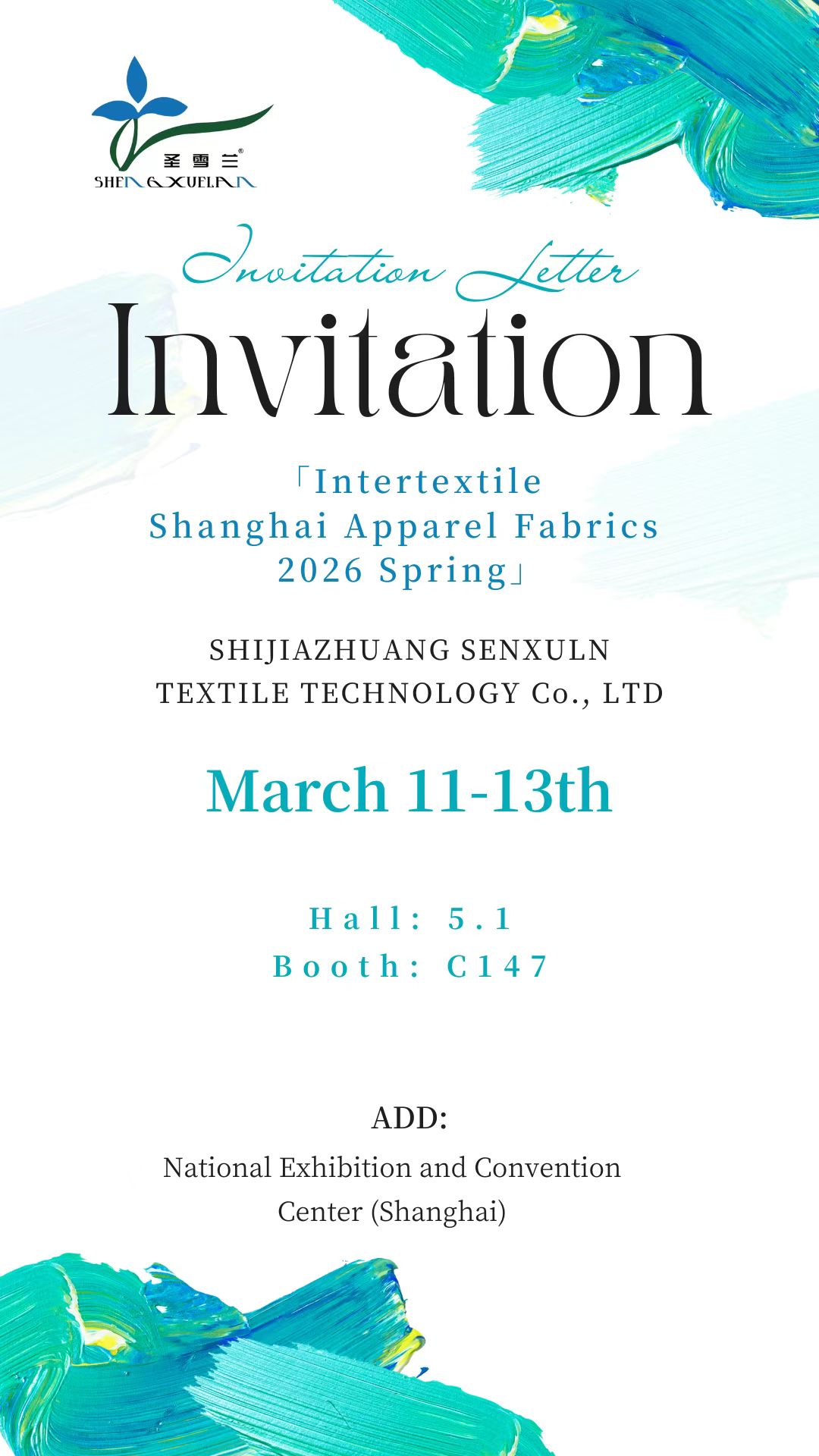 Welcome to join 2026 Spring Intertextile Shanghai Apparel and Fabric Fair.
  Welcome to join 2025 Spring Intertextile Shanghai Apparel and Fabric Fair.
  Welcome to join 2024 Autumn Shanghai Fabric Exhibition
  Why do fabrics deteriorate? What are the preventive measures?
 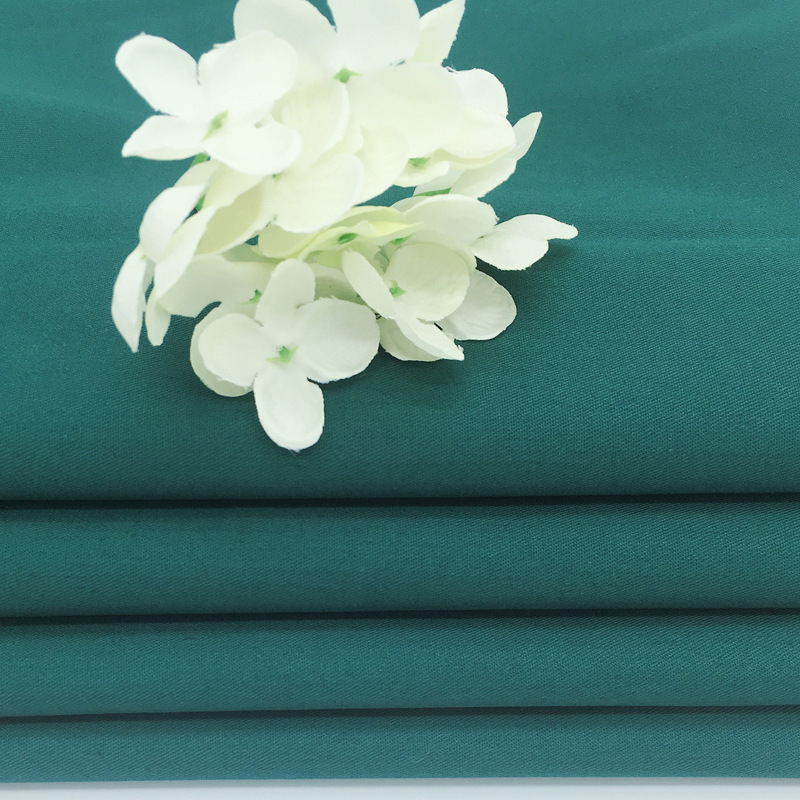 Characteristics of Textile Fibers
 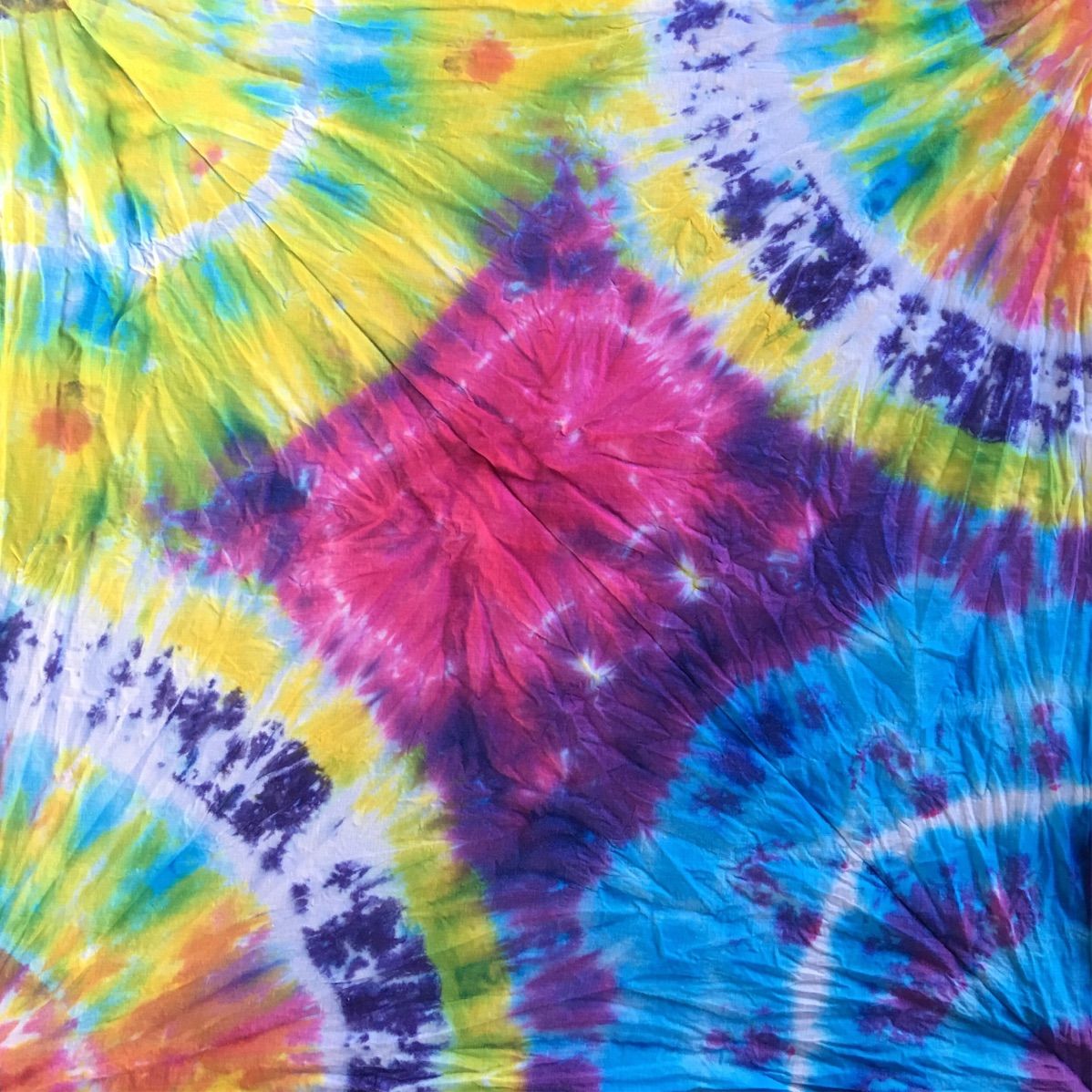 Waterless Dyeing And Its Advantages And Disadvantages
  Four-way stretch fabric and its structure and processing method
  Fabric Characteristics and Selection Guidelines
  What is organic cotton? What is the difference between organic cotton and ordinary cotton?
  Yarn-dyed fabrics and its advantages and disadvantages
 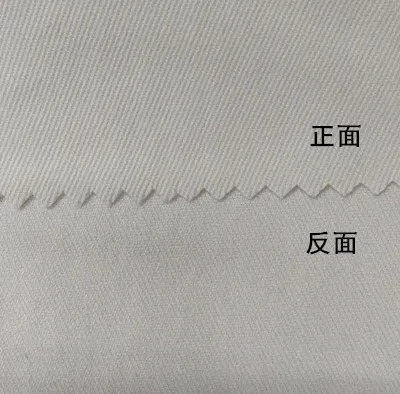 How to distinguish between the front and back of fabrics?
  What is CoolCore fabric? What are the processing methods?
  What is Compact Spinning and its advantages, disadvantages and applications
  What are the new developed fibers?
  Characteristics and Storage Methods of Woven Fabrics
  What is single jersey? What are the advantages and disadvantages?
  What is fabric shrinkage? How to calculate shrinkage?
 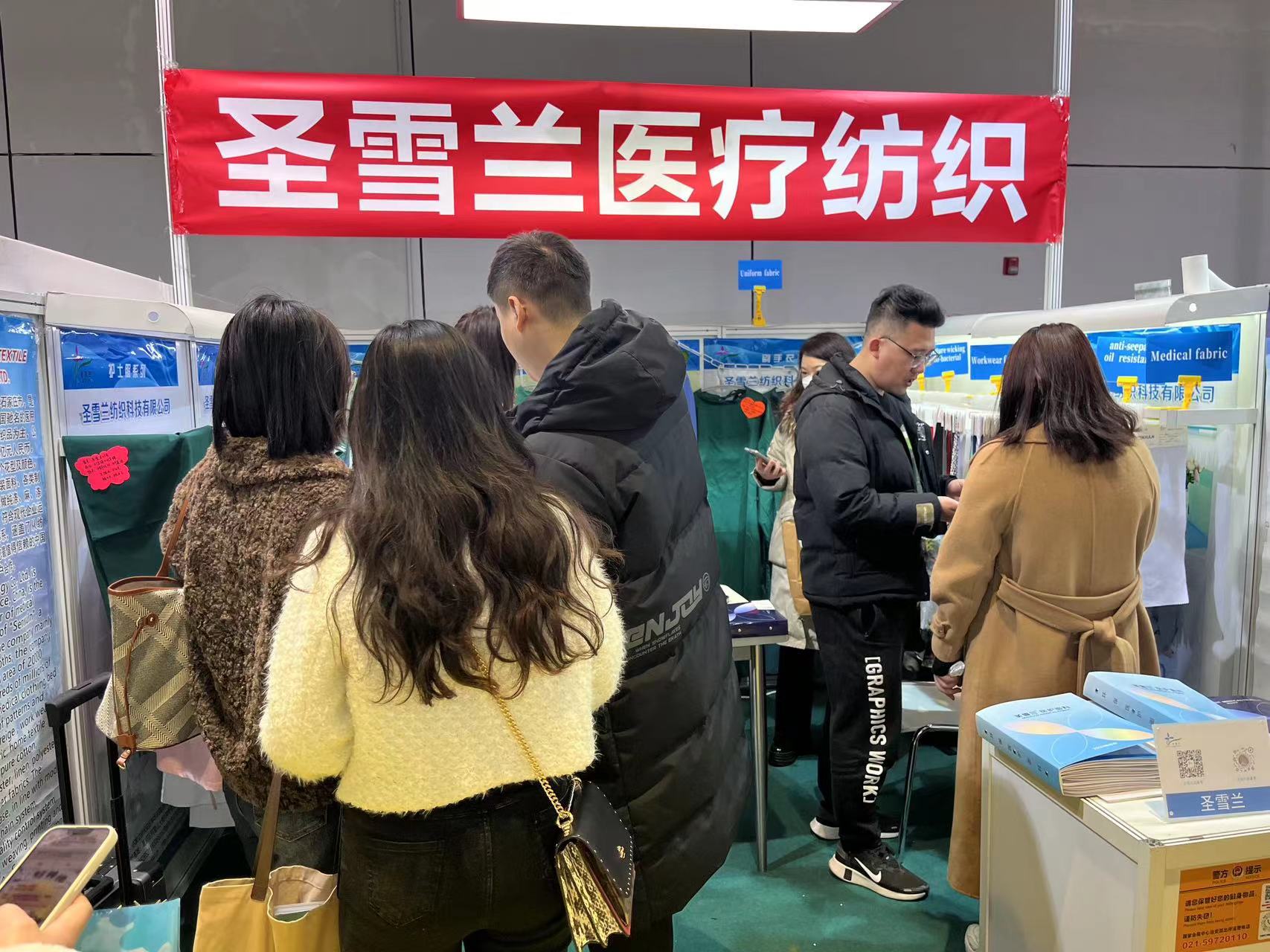 Intertextile Shanghai Brings Great Success
  What is washed cotton? What are the features of washed cotton?